Mathematics
A Thoughtful Addition to the Embroidery Studio
As a designer who’s stitched countless projects for both personal and commercial use, I always approach new embroidery designs with a mix of curiosity and practicality. The Mathematics design is no exception. It arrives with a clear theme and a purpose—perfect for those who love numbers, logic, and the visual language of math. But before I commit to using it in a real project, I need to evaluate how it holds up under the scrutiny of real-world embroidery.
First Impressions: A Clever and Fun Design
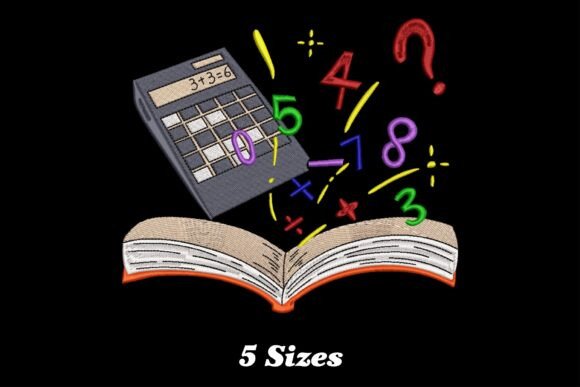
The first thing that catches my eye is the visual personality of Mathematics. It’s clean, geometric, and playful. The layout is balanced, with a focus on symmetry and precision. There are familiar symbols like π, ∞, and equations that hint at the design’s educational roots. Yet, it doesn’t feel overly academic or stiff—it has a friendly, almost whimsical tone that makes it accessible to a broader audience.
What stands out most is the stitch density. It’s not too dense to cause issues with fabric strain, nor is it too sparse to look unfinished. The fill stitch and satin stitch techniques used in key areas give it a professional finish without overwhelming the viewer. This balance makes it suitable for both custom apparel and personalized gifts.
Real-Life Use Case: Custom Tote Bag for a Math Teacher
Let’s imagine a scenario where I’m preparing a custom tote bag for a local math teacher. The design needs to be subtle yet meaningful, something that reflects the teacher’s passion without being too loud. Mathematics fits this perfectly. It can be placed on the front or back of the tote, depending on the size and layout. The hoop size required isn’t too large, which is ideal for a tote that might also hold other items.
However, I’d want to test the design on scrap fabric first. The thread color contrast should be checked against the base fabric—especially if using dark-colored materials. The stabilizer type will also matter here, as the design includes some intricate details that could shift without proper support.
Where to Use Carefully: Fabric and Surface Considerations
Mathematics is a versatile design, but there are situations where it might require extra attention. For instance, on thin or stretchy fabrics, the design could lose its shape or become distorted. It’s best suited for heavier materials like cotton canvas, denim, or flannel. Similarly, when working with dark fabric, the contrast between the embroidered elements and the background might not be as striking, so testing in black and white mockups is a good idea.
Another consideration is curved surfaces like caps or hats. While the design is symmetrical, it may not translate well to curved areas without adjustments. If the goal is to create an embroidered patch or applique design for a cap, the layout would need to be modified to account for the curve. That said, the design’s simplicity makes it easier to adapt compared to more complex patterns.
Visual Appeal and Product Value
The Mathematics design adds a unique touch to any project, especially for those who appreciate the intersection of art and science. Its visual appeal is strong, and it has the potential to elevate the perceived value of a handmade product. Whether it's a holiday gift, a custom sweatshirt, or a small shop product, the design brings a sense of professionalism and care that resonates with customers.
From a branding perspective, Mathematics is a great fit for craft businesses, Etsy sellers, and small shop owners looking to differentiate themselves. It’s not just a design—it’s a statement about creativity, intelligence, and fun.
Design Notes for Embroidery Professionals
If you're considering using Mathematics in your workflow, here are a few practical tips:
- Test on scrap fabric before stitching on your final piece.
- Check thread color contrast against the intended fabric background.
- Review stitch density to ensure clarity and durability.
- Confirm hoop size to avoid distortion or incomplete stitching.
- Inspect small details like lettering and symbols for accuracy.
- Use proper stabilizer to maintain fabric integrity during stitching.
- Consider light and dark backgrounds for different applications.
- Ensure licensing is clear if you plan to sell finished products or digital files.
Conclusion: A Reliable Choice for Many Projects
Mathematics is a thoughtful, well-crafted design that offers both aesthetic and functional value. It’s ready to be used in a variety of contexts—from personalized gifts to commercial embroidery projects. With the right preparation and attention to detail, it can enhance the quality and appeal of your handmade products.
Ultimately, the success of any embroidery design depends on how well it translates from screen to fabric. Mathematics passes this test with flying colors, making it a reliable choice for designers, crafters, and entrepreneurs alike.